Following the recent regime change in Syria, national and international attention has largely shifted to the country’s internal political developments. However, this shift has resulted in the neglect of thousands of people living in camps in the northern regions, still in urgent need of humanitarian relief.
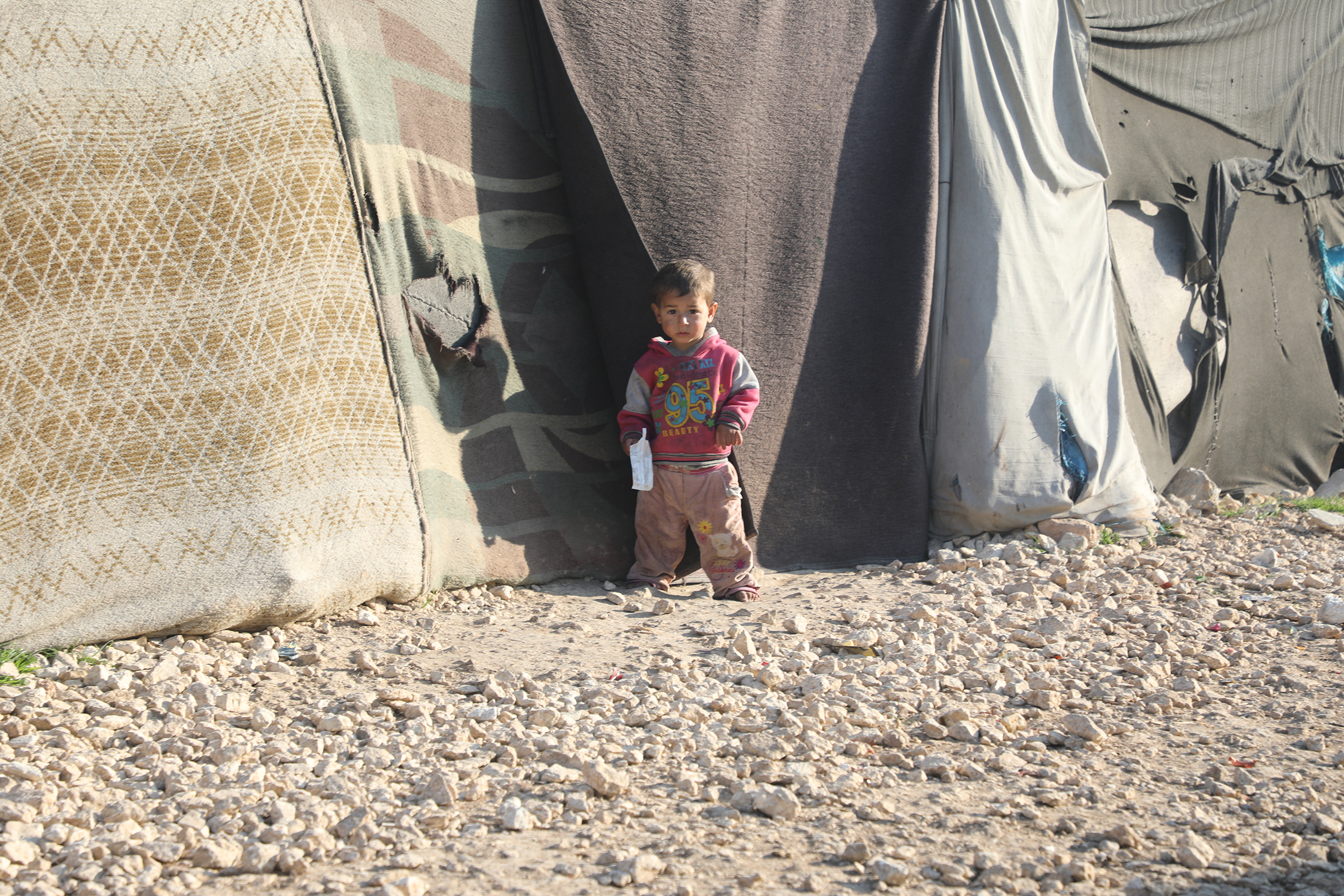
The prolonged conflict in Syria has deeply affected the lives of millions. As 2025 approaches, the regime change has further worsened access to basic services for vulnerable communities—particularly those struggling to survive under harsh conditions in camps located in the northwest. Deprived of international support, Mukaweme Camp, home to more than 20,000 people, is facing life-threatening challenges such as cold weather, food insecurity, poor shelter conditions, and a lack of access to clean water. Among those most affected are women, children, and the elderly.
 |
 |
Al-Rayyan Camp, located north of the Aleppo–Azaz line, is another stark example of ongoing hardship. The camp has not received regular food assistance for nearly two years and is situated in an area where many humanitarian organizations have suspended their operations. Despite the dire circumstances, residents have no choice but to remain in the camp, facing a level of poverty that is difficult to put into words.
Access to essential services—such as electricity, water, education, and healthcare—is almost nonexistent. With their homes, schools, health centers, and places of worship destroyed, people are left asking: “Where do we return to?”
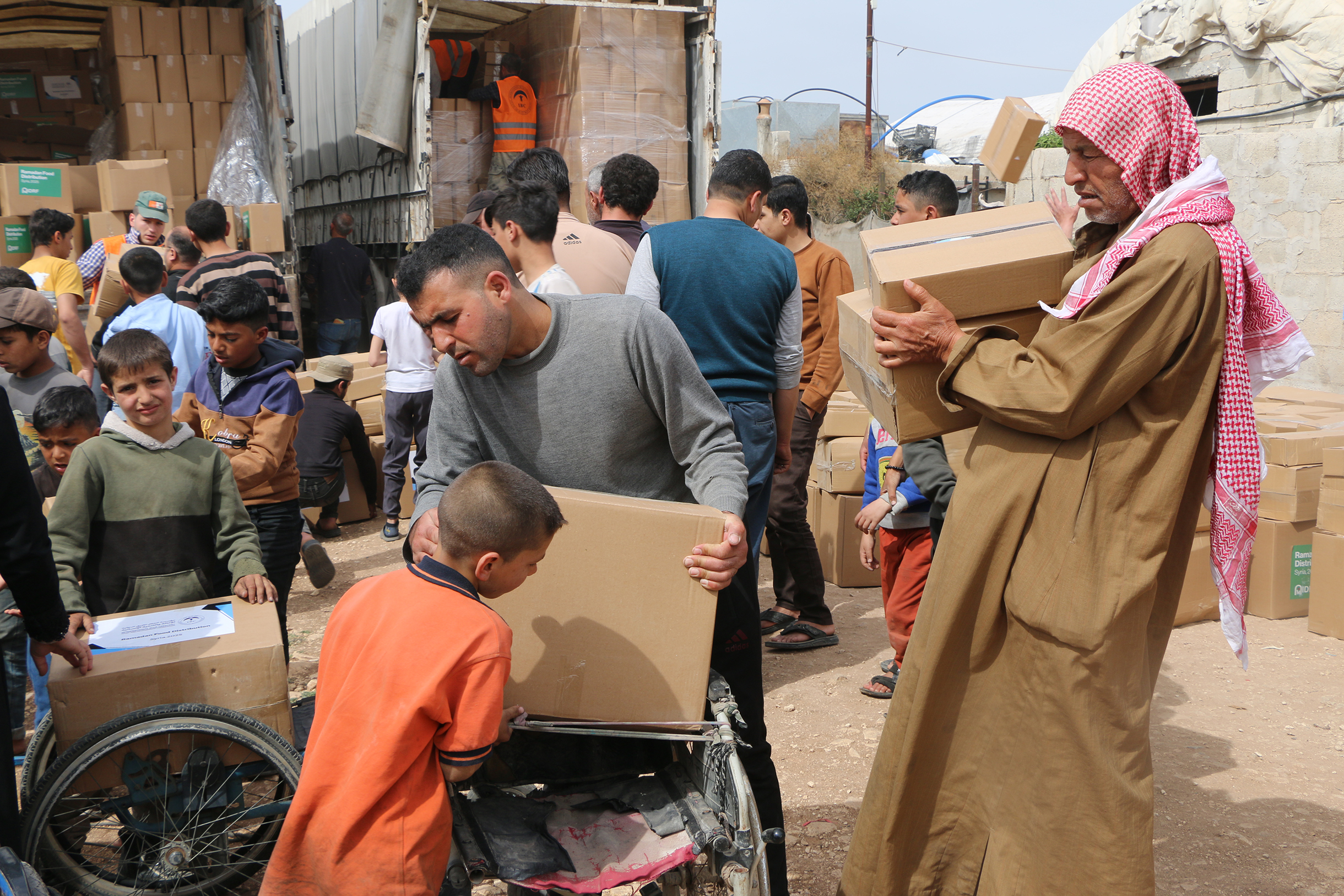
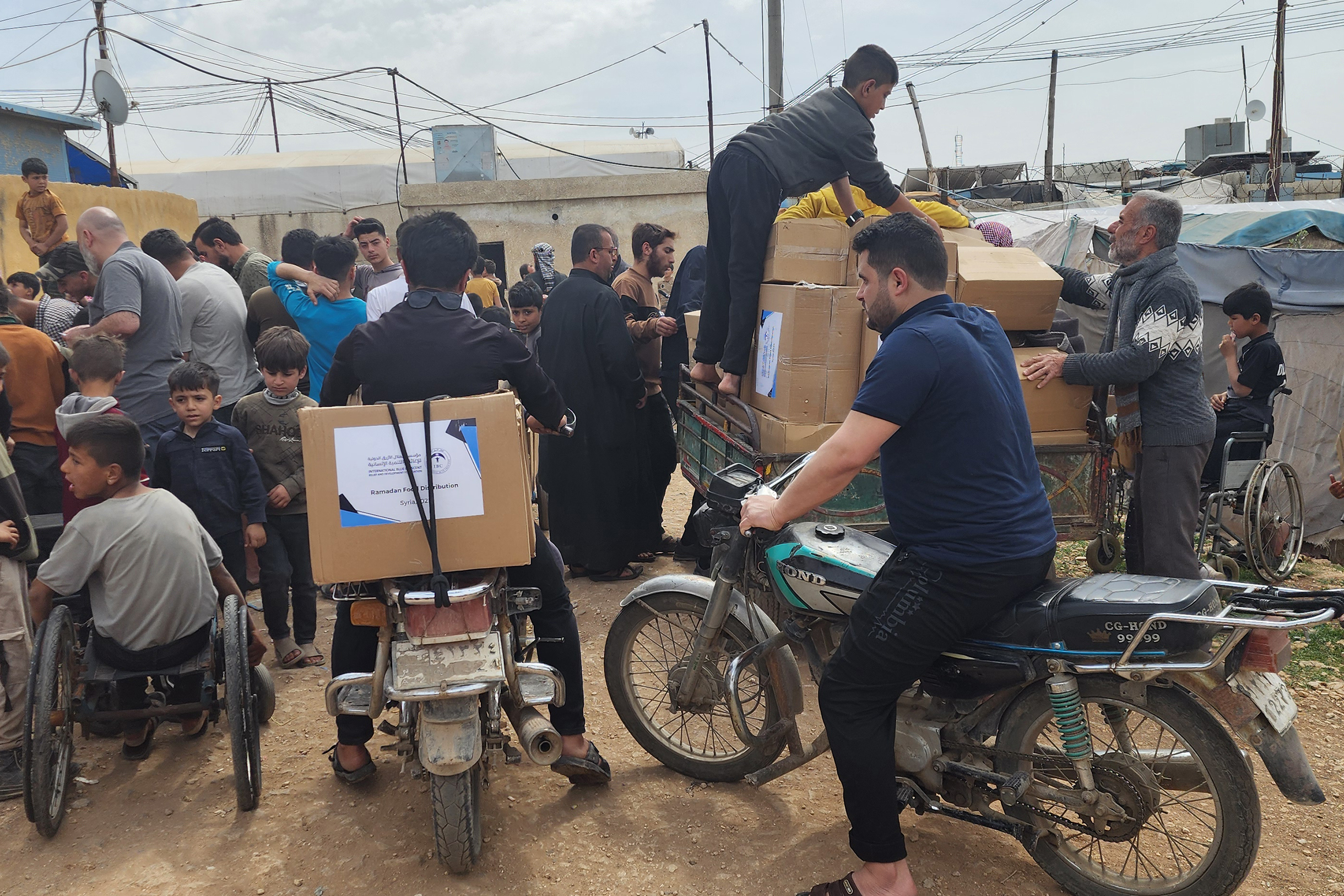
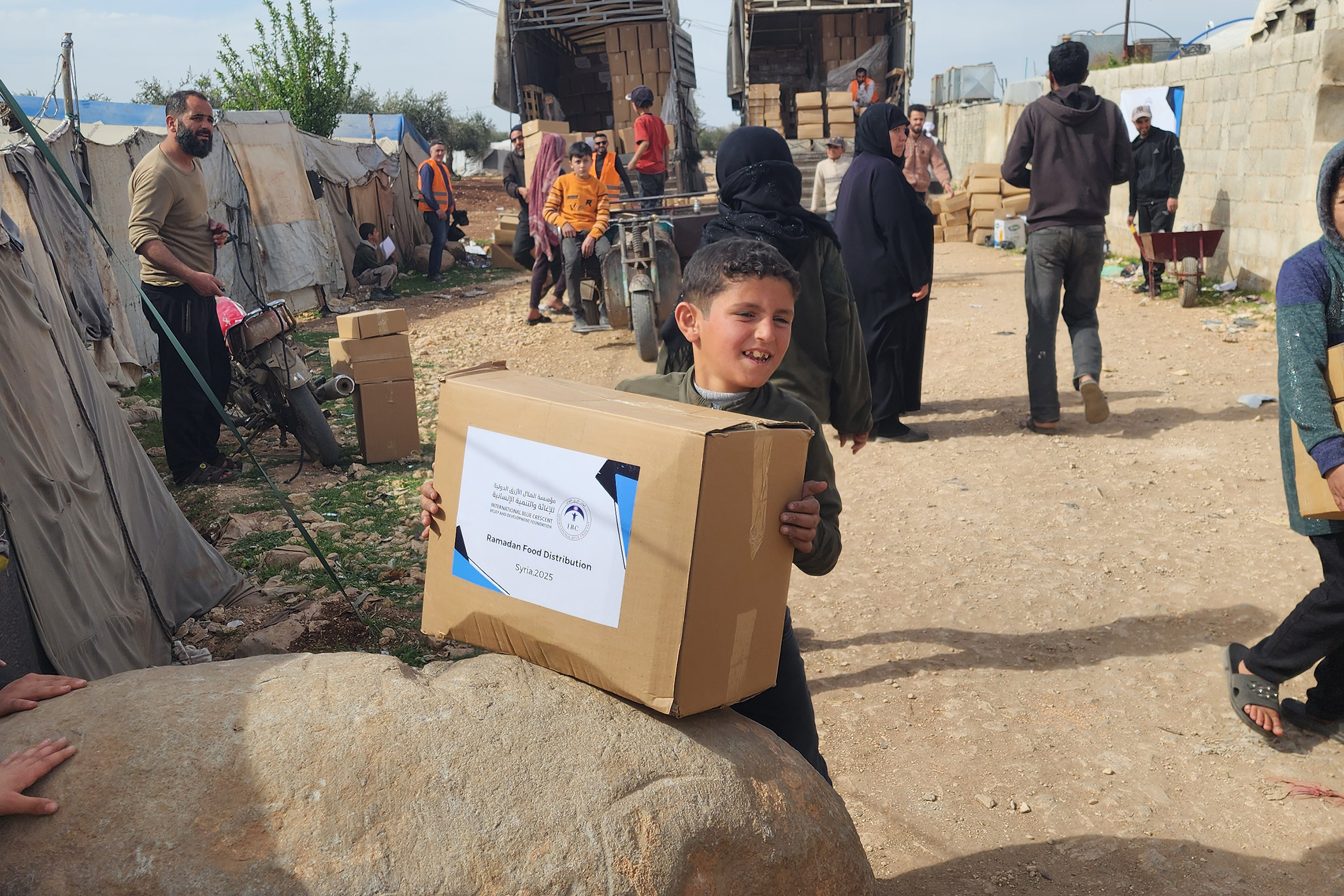
International Blue Crescent Relief and Development Foundation (IBC), which has been actively delivering humanitarian assistance in the region for many years, carried out a food parcel distribution during Ramadan in camps across northwest Syria. Implemented in partnership with IDRF Canada, the distribution brought food parcels to every tent and caravan just before Eid, offering families some much-needed support—and even a few smiles.
 |
 |
As IBC, we remain committed to being present in these camps, where even the most basic needs go unmet, and to standing by those in need. The relief delivered this Ramadan represented more than just food; it was also a symbol of solidarity, compassion, and a reminder that they are not forgotten.