For more than two and a half years, ongoing conflict in Sudan has brought countless challenges. As violence continues to escalate, living conditions are deteriorating each passing day.
Long-standing tensions between the Sudanese Armed Forces (SAF) and the Rapid Support Forces (RSF), which first erupted in the capital Khartoum, have spread rapidly across the country, reaching alarming levels.
The “Emergency Watchlist” report published by the International Rescue Committee highlights countries where humanitarian crises are intensifying. Once again at the top of this year’s list, Sudan is experiencing one of the world’s largest and fastest-growing crises—driven by escalating conflict, mass displacement, deepening economic collapse, and the near-total breakdown of health services.
Even before the current conflict, Sudan was already facing a severe humanitarian emergency. Political instability and economic strain had left around 15.8 million people in need of basic assistance. The outbreak of hostilities further worsened the already fragile situation. Today, an estimated 30.4 million people—over half of Sudan’s population (64%)—require humanitarian aid, revealing the immense scale of the crisis.
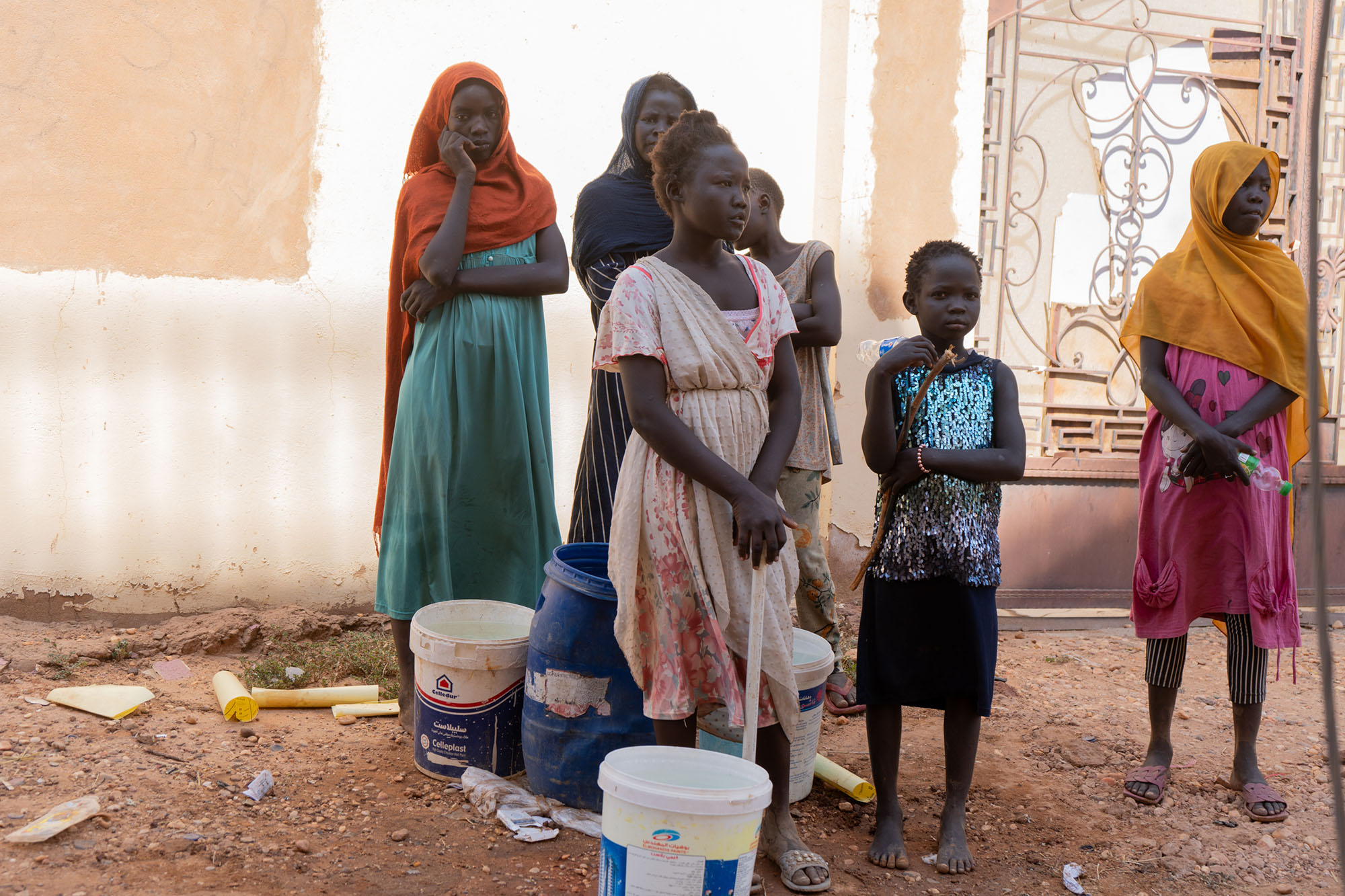
Unfolding in full view of the world, this catastrophe has displaced 11.4 million people within Sudan and forced more than 3 million to flee to neighboring countries. As the violence intensifies, reports indicate that the conflict is increasingly targeting civilians. According to a Reuters article published on November 7, civilians in Al-Fashir (North Darfur) were shot in the streets, targeted by drone strikes, and run over by trucks during mass attacks.
Both warring parties have targeted civilian infrastructure, while sexual violence and the recruitment of child soldiers are alarmingly widespread. Prolonged fighting and escalating attacks have severely restricted access to food and destroyed livelihoods. The conflict has not only caused immense loss of life but has also crippled Sudan’s agricultural production capacity. Farmers are unable to reach their fields, irrigation systems and roads have been heavily damaged, and trade has ground to a halt—deepening the already critical threat of famine.
Food security experts confirmed famine conditions in the Zamzam camp in 2024. The collapse of agricultural production and disruption of food supply chains have now pushed millions more toward starvation in 2025. The scale of Sudan’s humanitarian crisis shows clearly that the war is not only fought on battlefields—it is devastating farmlands too.
The intense conflict across the country has also pushed Sudan’s already fragile health system to the brink of collapse. According to the World Health Organization (WHO), since April 2023, around 70% of hospitals in conflict-affected areas have ceased functioning.
With the public health system in ruins, diseases such as cholera, malaria, and measles cannot be treated and continue to spread unchecked. Another major contributing factor is the destruction of water, sanitation, and hygiene (WASH) infrastructure. Damaged systems have further worsened living conditions and accelerated the spread of disease. The ongoing war in Sudan has not only displaced millions but has also shattered the nation’s health infrastructure and essential public services.
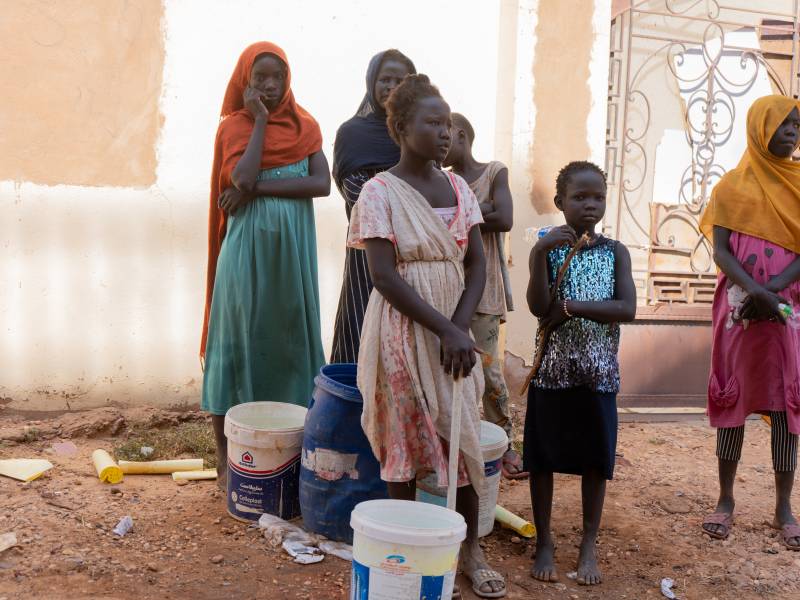
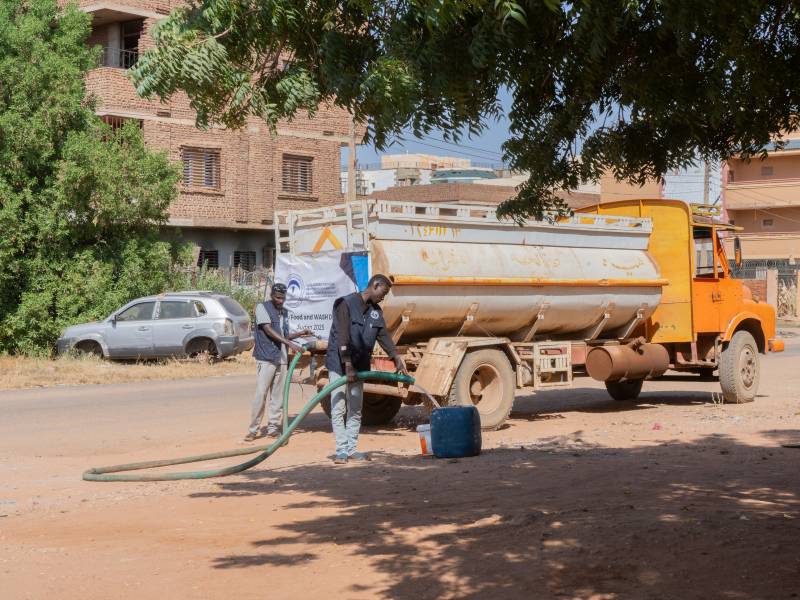
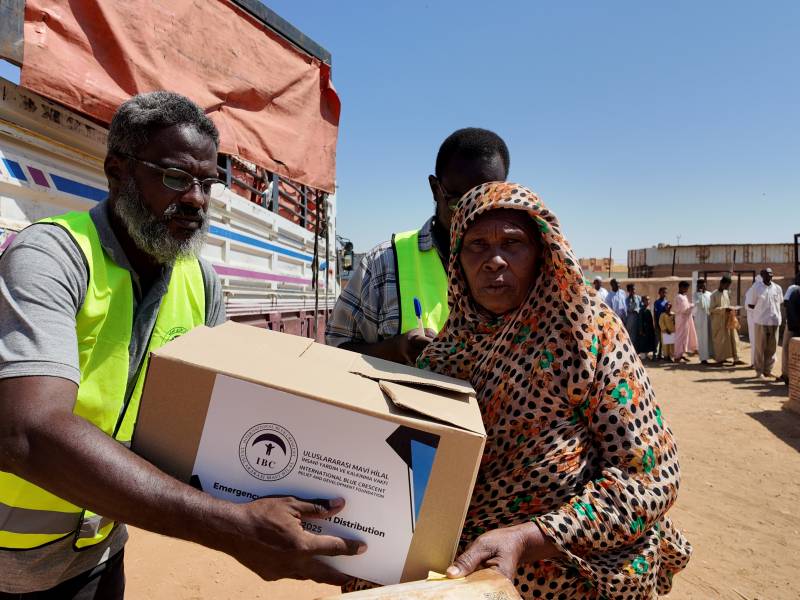
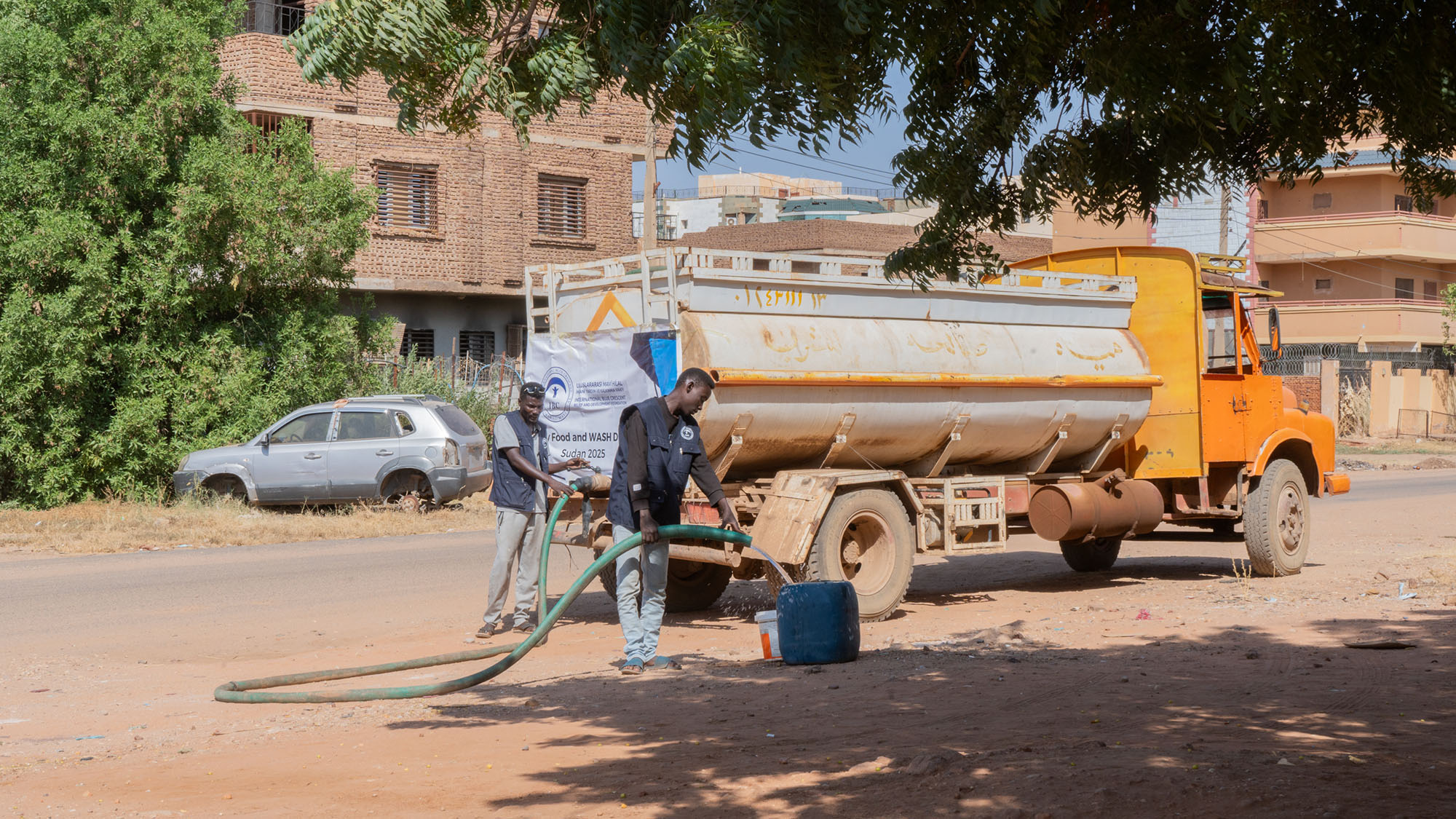
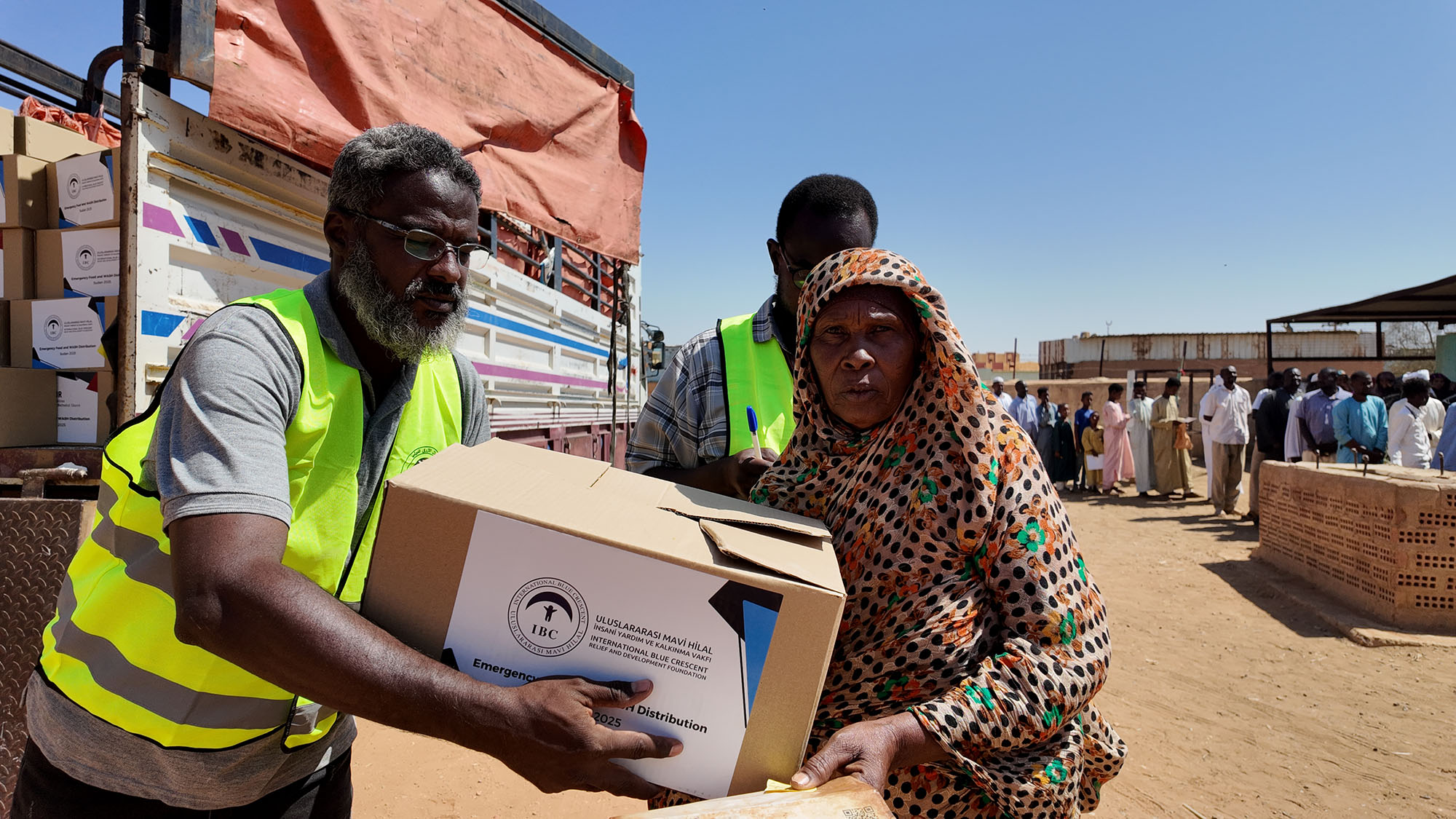
This dire humanitarian picture underscores the urgent need for international solidarity and coordinated humanitarian intervention. Facing one of the world’s most severe crises, Sudan requires immediate and comprehensive relief efforts. International Blue Crescent Relief and Development Foundation (IBC), closely monitoring the situation from the outset, has identified urgent needs and, in collaboration with IDRF Canada and UMCOR, distributed food and hygiene kits, along with daily drinking water, to 400 families in Khartoum.
 |
 |
As living conditions worsen and tensions continue to rise, the need for humanitarian assistance becomes increasingly critical. To ensure that relief efforts reach those in need—and that cries for help are not drowned out by the sounds of conflict—the support of our valued donors remains vital.
[1] International Rescue Committee 2025
[2] ‘Fifty or sixty people in a single street’: Witnesses describe civilian killings in Sudan’s Al-Fashir, 7 Kasım 2025
[3] International Rescue Comittee 2025
[4] Sudan Emergency, World Health Organisation (DSÖ)
[5] International Rescue Committee 2025